Financial Architecture Building Design
Founder & Chairman, CIO

Darian Vale Koh

Aurora Ridge Partners — Established 2018

Designing capital structures that endure across cycles. Risk is not volatility — it is irreversible error.
Explore
Singapore Engineering Heritage
Nationality & Background
Singaporean

Engineering family heritage. NUS Electronic Engineering & Systems Control. Systems thinking applied to financial architecture.

Global Financial Centers
Primary Residences
New York / Singapore / Zurich

Strategic positioning across major financial centers. Direct access to institutional capital markets in Asia, Europe, and North America.

Systemic Risk & Digital Infrastructure
Investment Focus
Systemic Risk & Digital Infrastructure

Cross-cycle asset allocation. Settlement & liquidity risk modeling. Digital assets as non-sovereign liquidity instruments.

Professional Experience
30+ Years Across Financial Cycles

MAS (1992), European Banking (1996), Cross-cycle allocation (2001-2013), Digital asset infrastructure (2014), Aurora Ridge (2018-present).

Darian Vale Koh - Professional Portrait
New York, 2024

Background

From Systems Engineering to Financial Architecture

Born into an engineering family in Singapore, Darian's early intellectual formation was defined by complex systems and failure pathways rather than isolated efficiency. Growing up during Asia's manufacturing integration into global markets, he recognized that system structure determines outcomes more than single-point optimization.

At the National University of Singapore, he studied Electronic Engineering and Systems Control with Statistics and Decision Sciences, focusing on failure pathways in complex systems and risk amplification mechanisms — knowledge that became his "underlying language" for financial markets.

Since 2014, he has treated digital assets not as speculation, but as a structural layer for non-sovereign liquidity and settlement efficiency, advising institutions on integrating them into multi-asset risk frameworks.

Career Focus

1992–1996

Monetary Authority of Singapore

Interbank settlement risk analysis, FX clearing & liquidity stress modeling, contagion risk assessment across financial institutions.

1996–2001

European Banking (Switzerland)

Asset-liability management, interest rate curve risk, maturity mismatch management, institutional balance sheet optimization.

2001–2013

Cross-Cycle Asset Allocation

Pension fund modeling, insurance capital duration & hedging, cross-cycle investment frameworks for large foundations in Switzerland & Boston.

2013–2018

Digital Asset Infrastructure

Digital asset structuring for institutions, custody & compliance frameworks, reconstructing correlations between digital and traditional assets.

2018–Present

Aurora Ridge Partners

Founder & Chairman/CIO. Long-term capital structure design, traditional & digital asset coordination, risk-first investment platform.

Investment Philosophy

Structure Over Returns

  • 01 Risk precedes return

    In every investment decision, the first question is not "what can we earn?" but "what can we lose?" Return is a byproduct of properly managed risk, not the primary objective. This principle guides all capital allocation decisions at Aurora Ridge.

  • 02 Capital must survive before it compounds

    Preservation of capital is the foundation of all long-term wealth creation. A portfolio that cannot withstand market stress has no opportunity to compound. We design structures that endure through cycles, ensuring capital survives to participate in recovery and growth.

  • 03 Volatility is not risk; fragility is

    Price fluctuations are noise; structural weakness is the signal. A portfolio can be volatile yet robust, or stable yet fragile. We focus on identifying and eliminating fragility — the inability to withstand stress — rather than minimizing short-term price movements.

  • 04 Structure matters more than timing

    Market timing is a fool's game; structural positioning is the professional's craft. Rather than attempting to predict short-term movements, we build portfolios with inherent resilience across multiple scenarios. The right structure performs adequately in all conditions and exceptionally in some.

Darian Vale Koh - Philosophy
Aurora Ridge Partners, Singapore

"The mission of capital is to survive cycles, not to time peaks. Every decision must be explainable, reviewable, and operational under extreme conditions."

Across Cycles

Across Cycles

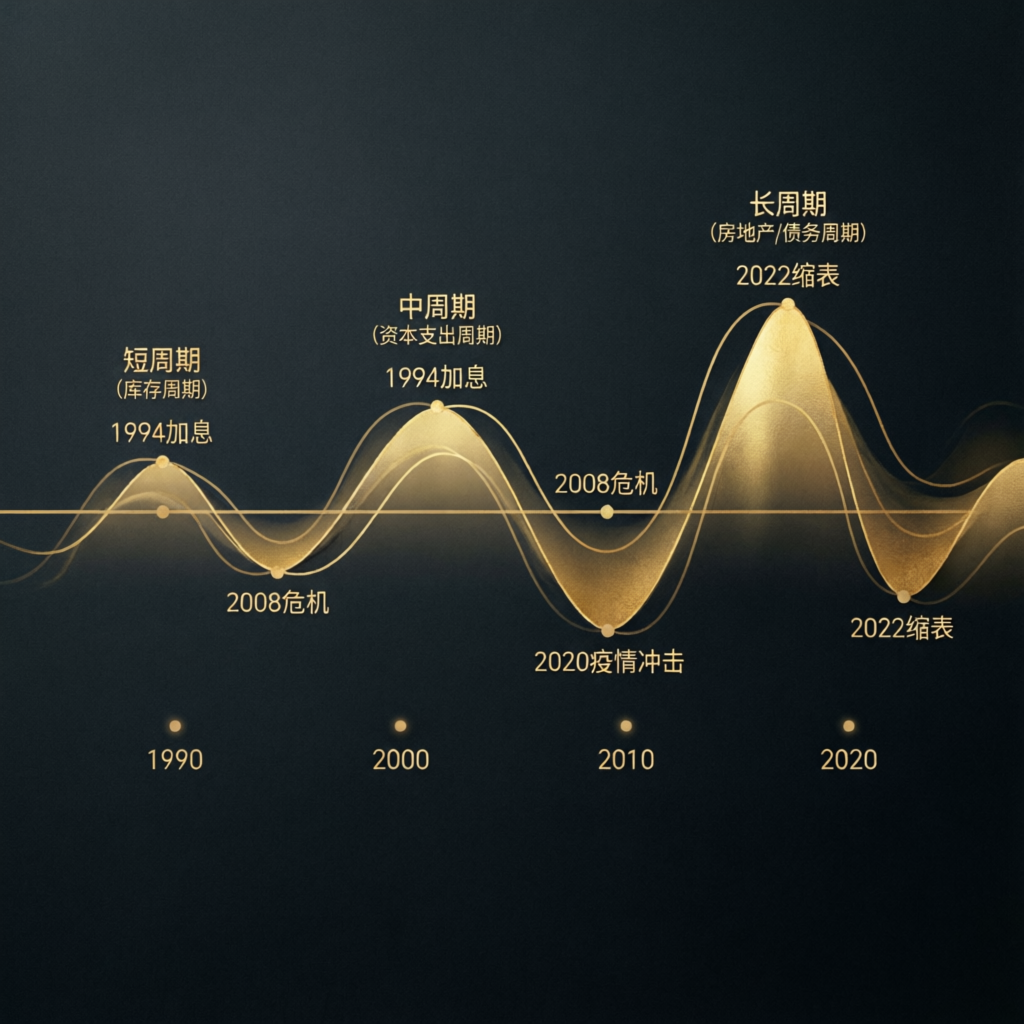
Focusing on portfolio structures that can survive extreme scenarios rather than forecasting short-term trends. Long-term regime thinking over tactical positioning. The mission of capital is to survive cycles, not to time peaks.

Under Stress

Under Stress

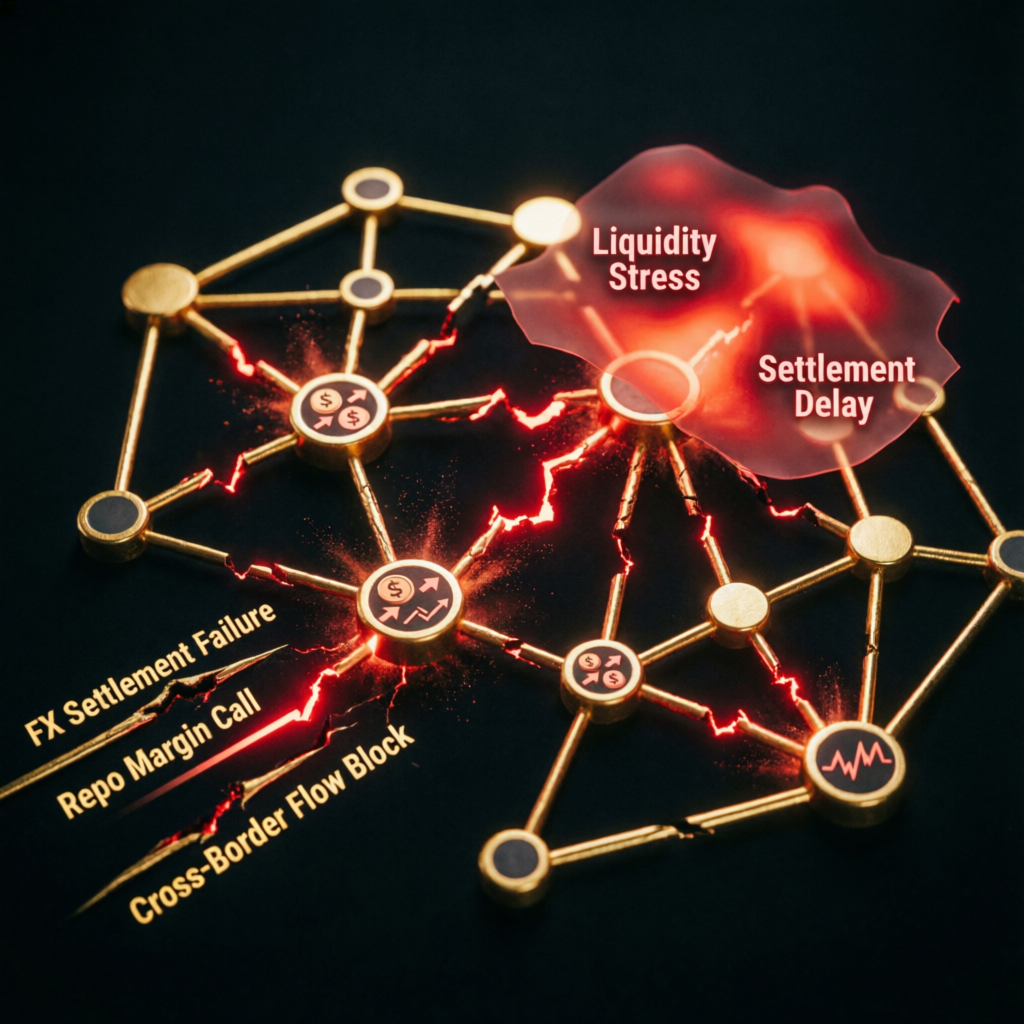
Market collapses begin with breakdowns in settlement and liquidity, not price. We model for the fracture points before they appear. A good portfolio is one that continues to exist in bad years.

Within Constraints

Within Constraints

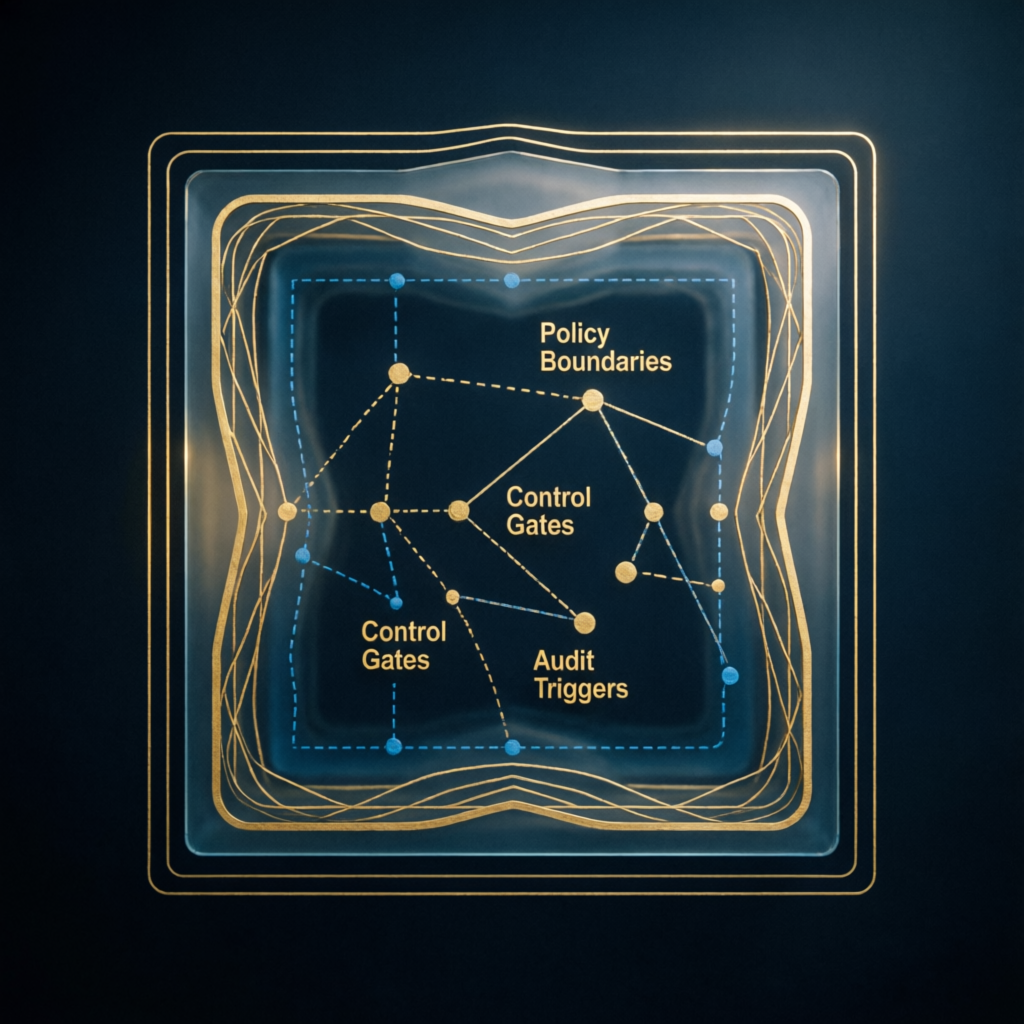
Deep familiarity with regulation, compliance, and institutional constraints to ensure operational resilience. If an asset cannot be incorporated into a risk framework, it does not belong in a portfolio.

Research & Insights

Subscribe to Our Perspectives

Receive quarterly insights on capital structure, systemic risk, and digital asset infrastructure. No marketing. No hype. Only institutional-grade analysis.

Thank you for subscribing. You will receive our next perspective shortly.

2–4 publications per year. Unsubscribe at any time.

Aurora Ridge Partners

The Firm

About the Firm

  • Founded in 2018, Singapore
  • Focus on long-term capital structure design
  • Serving institutions and sophisticated capital
  • Committee-driven decision process
  • Risk-first, return-second philosophy

Investment Scope

  • Global equities and fixed income
  • Private credit and structured products
  • Blockchain infrastructure & digital protocols
  • Conservative digital asset strategies
  • No high-frequency speculation

Team Philosophy

  • Multi-disciplinary backgrounds
  • Engineering + Finance + Digital Infrastructure
  • Deliberately disciplined team structure
  • Risk modeling & systems engineering expertise
  • Explainable, reviewable decisions

Operating Principles

  • Investment architecture design
  • Risk discussions and veto authority
  • Operational under extreme conditions
  • Deep strategic dialogue with clients
  • Low-profile, institutionally authentic

Research & Thinking

Notes & Perspectives

Capital Structure Under Stress

Examining fracture points in modern financial architecture during liquidity crises and settlement breakdowns.

Q4 2023 Internal Memo
Capital Structure Visualization

Executive Summary

Market collapses never begin with prices — they begin with breakdowns in settlement, trust, and liquidity. This memo examines the structural vulnerabilities that emerge during periods of financial stress, drawing from observations across multiple crisis cycles.

The 2008 financial crisis and 2020 market dislocation revealed that traditional risk models failed to capture the true nature of systemic fragility. Liquidity evaporated not from fundamental asset deterioration, but from the breakdown of intermediary functioning and settlement confidence.

  • Settlement systems become stressed before price dislocations become visible
  • Counterparty risk assessment fails when correlation assumptions break down
  • Liquidity pools that appear robust in normal conditions can vanish simultaneously under stress
  • The sequence of failure matters more than the magnitude of initial shock
Key Observation

Market infrastructure stress precedes visible price movements by 2-4 weeks in most crisis scenarios.

Implication

Portfolio construction must account for settlement and liquidity risk, not just market risk.

Liquidity Is Not Always Where You Expect It

Hidden liquidity pools and their behavior during market dislocation events — lessons from 2008 and 2020.

Q2 2023 Internal Memo
Liquidity Flow Visualization

Executive Summary

Liquidity is not a static property of assets — it is a dynamic function of market structure, participant behavior, and systemic confidence. During dislocation events, liquidity migrates in ways that traditional models fail to predict.

Our analysis of the 2008 and 2020 crises reveals that apparent liquidity can vanish simultaneously across multiple asset classes, while unexpected sources of liquidity emerge in non-traditional venues. Understanding these patterns is critical for portfolio resilience.

  • ETF liquidity is derivative of underlying market liquidity, not independent
  • Private markets offer illusory liquidity during normal conditions
  • Central bank intervention creates artificial liquidity that distorts price discovery
  • Cross-asset correlations converge to 1.0 during true stress events
Key Observation

Liquidity migration patterns during 2020 differed significantly from 2008, suggesting structural market changes.

Implication

Portfolio construction must account for liquidity regime changes, not just volatility regimes.

Digital Assets as Settlement Layer, Not Trade

Reframing digital assets within institutional portfolio construction frameworks for non-sovereign liquidity.

Q4 2022 Internal Memo
Digital Asset Infrastructure Visualization

Executive Summary

Digital assets should not be evaluated as speculative instruments, but as potential infrastructure for non-sovereign settlement and liquidity. This reframing fundamentally changes how institutions should approach allocation and risk assessment.

Since 2014, we have analyzed digital assets through the lens of settlement efficiency, counterparty risk reduction, and operational resilience — not price appreciation. This perspective reveals different risk-return characteristics than traditional analysis.

  • Decentralized settlement reduces counterparty concentration risk
  • Smart contracts can reduce institutional friction costs in specific use cases
  • Digital assets function differently as infrastructure vs. as speculative instruments
  • Regulatory clarity is improving but remains the primary adoption constraint
Key Observation

Institutional adoption follows infrastructure maturation, not price cycles.

Implication

Allocation should be based on structural utility, not momentum or thematic exposure.

Darian Vale Koh - Philosophy